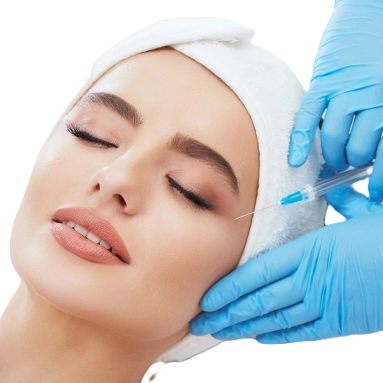
As the concept of "light aesthetics" (minimally invasive cosmetic procedures) gains increasing popularity, injectable hyaluronic acid has emerged as the top choice for many seeking to refine facial contours, diminish fine lines, and achieve deep hydration—thanks to its unique advantages: being minimally invasive, safe, fast-acting, and requiring a short recovery period. Its primary ingredient is hyaluronic acid—a substance naturally present in the human body—which boasts excellent compatibility with skin tissues. It allows for the effortless achievement of "natural enhancement and traceless anti-aging" effects without the need for surgical incisions, thereby preserving an individual's unique, innate aesthetic features while precisely addressing specific facial imperfections. Today, we will provide a comprehensive breakdown of injectable hyaluronic acid—covering everything from product classification and scientific selection criteria to the treatment process, expected results, and strategies for managing potential side effects—empowering every beauty seeker to embark on their aesthetic journey with confidence and peace of mind.
I. Classification of Injectable Hyaluronic Acid: Select According to Need for a Precise Match to Your Aesthetic Goals
Injectable hyaluronic acid is not a monolithic category; based on molecular size, degree of cross-linking, and intended application, it can be broadly categorized into five main types. Each category is tailored to specific treatment areas and aesthetic functions, allowing for a precise match to the unique aesthetic aspirations of different individuals—thereby effectively preventing suboptimal results that may arise from blind or uninformed choices.
1. Small-Molecule Hyaluronic Acid (Non-Cross-Linked / Low-Cross-Linked Types)
This type of hyaluronic acid features a lightweight texture and excellent fluidity; its molecules exist in a free, unlinked state, making them more easily metabolized and absorbed by the body. Primarily targeting the superficial layers of the skin, its core functions focus on hydration, moisture retention, and the reduction of fine lines caused by dryness. It is frequently utilized in "skin booster" injections (such as *Shuiguangzhen*), rapidly replenishing moisture within the dermis to effectively address issues such as dry, rough skin, prominent dehydration lines, and a dull complexion. By helping the skin regain a healthy, hydrated, and luminous state, it is an ideal choice for individuals who prioritize fundamental skincare and wish to improve their overall skin texture. The duration of its effects is relatively short—typically lasting between 3 and 6 months—requiring periodic maintenance injections to sustain the desired results. 2. Medium-Molecular-Weight Hyaluronic Acid (Medium Cross-Linked Type)
Medium-molecular-weight hyaluronic acid strikes a balance between excellent flow properties and structural support. Its texture is moderately soft—falling between that of small- and large-molecular-weight types—making it a dual-action product that offers both "filling" and "hydration" benefits. It is primarily used for filling in the mid-to-superficial layers of the face; suitable areas include tear troughs, "apple cheeks" (malar mounds), nasolabial folds, and lips. Not only can it fill in minor facial depressions and improve moderate wrinkles—such as nasolabial folds and marionette lines—but it also helps sculpt natural, soft facial contours, avoiding any stiff or artificial appearance. It is ideal for individuals seeking to address facial laxity or localized depressions while pursuing a natural aesthetic. The results typically last for approximately 6 to 12 months, offering exceptional value for money.
3. Large-Molecular-Weight Hyaluronic Acid (Highly Cross-Linked Type)
Large-molecular-weight hyaluronic acid features a viscous texture and high firmness. Through chemical cross-linking technology, its molecules are bonded into a mesh-like structure, endowing it with extremely strong structural support. It is resistant to metabolic breakdown by the body, and its core function is deep-layer facial contouring. It is frequently used in facial areas requiring strong structural support—such as the bridge of the nose, chin, temples, and cheekbones—to effectively create three-dimensional facial contours. It helps resolve issues such as a flat facial profile or undefined contours, resulting in more refined and立体 (three-dimensional) facial features. This type offers the longest-lasting results, extending from 12 to 18 months, making it suitable for individuals prioritizing facial contouring and seeking long-term effects.
4. Monophasic Hyaluronic Acid
Monophasic hyaluronic acid presents as a homogeneous gel with a uniform, fine texture. It offers minimal resistance during injection and feels naturally soft to the touch after administration, significantly reducing the likelihood of subcutaneous nodules or unevenness. It is particularly well-suited for filling in delicate areas—such as tear troughs, lips, and fine lines around the eyes—enabling precise refinement. It allows the filled area to blend seamlessly with the surrounding skin, resulting in an overall effect that appears natural and traceless. This makes it ideal for individuals who have high standards regarding the tactile quality of fillers and who prioritize a natural aesthetic enhancement.
5. Hyaluronic Acid with Anesthetic
This category of hyaluronic acid features a formula enriched with local anesthetic agents—such as lidocaine—added directly to the filler. This addition significantly reduces pain and discomfort during the injection process, with the anesthetic effect taking effect immediately. It is particularly suitable for individuals who are highly sensitive to pain or who require injections across a large surface area (such as full-face volumization or "skin booster" treatments). Before use, you must verify that you have no history of allergies to anesthetic agents. A transient sensation of numbness may occur following the injection; this is a normal phenomenon that will gradually subside on its own and requires no undue concern.
II. Scientific Selection: Identifying the Right Product to Enhance Your Beauty Without Pitfalls
The core principle when selecting injectable hyaluronic acid is to ensure it "aligns with your personal needs and suits the specific facial area." By taking into account your skin type, aesthetic goals, and budget—and combining these factors with the clinical advice of a professional physician—you can achieve your ideal aesthetic results. Keep the following three core selection principles in mind to easily avoid common pitfalls in the decision-making process:
1. Select Based on Your "Aesthetic Needs"
- If you seek hydration and skin rejuvenation, or wish to improve fine lines and dullness → Prioritize small-molecule hyaluronic acid (e.g., skin boosters);
- If you wish to fill facial depressions or improve moderate wrinkles (such as tear troughs or nasolabial folds) → Choose medium-molecule hyaluronic acid;
- If you seek 3D contouring (e.g., nose augmentation, chin augmentation) or wish to refine facial contours → Select large-molecule hyaluronic acid;
- If you require precise, detailed facial refinement and desire a natural tactile feel → Choose monophasic hyaluronic acid;
- If you are sensitive to pain or require injections across a large surface area → Choose hyaluronic acid formulations containing an anesthetic agent. 2. Selection Based on "Skin Type and Treatment Area"
- **Sensitive Skin / Impaired Skin Barrier:** Prioritize simple formulations featuring non-cross-linked, small-molecule hyaluronic acid to avoid allergic reactions triggered by complex ingredients. During injection, employ a "micro-dose, multi-point" technique to minimize skin irritation.
- **Oily / Acne-Prone Skin:** Opt for low-concentration, small-molecule hyaluronic acid—ideally combined with anti-inflammatory ingredients. Avoid injections during active acne flare-ups to prevent exacerbating the skin's condition.
- **Areas with Thin Skin (e.g., Periorbital/Eye Area, Perioral/Mouth Area):** Select small-molecule or monophasic hyaluronic acid. Their softer texture helps prevent the formation of subcutaneous nodules or the "Tyndall effect" (a bluish discoloration caused by light scattering).
- **Areas Requiring Strong Structural Support (e.g., Nasal Bridge, Chin):** Choose large-molecule hyaluronic acid to ensure a three-dimensional, long-lasting contouring effect.
III. Standardized Procedures: Every Step—From Pre-Procedure Preparation to Post-Procedure Care—Is Crucial
The efficacy and safety of injectable hyaluronic acid depend not only on the quality of the product itself but also, fundamentally, on adherence to standardized procedures. From pre-procedure preparation and the injection technique to post-procedure care, no stage can be overlooked; this ensures natural-looking results and a rapid recovery.
1. Pre-Procedure Preparation (1–3 Days Prior to Injection)
- **Consultation and Communication:** Proactively discuss your aesthetic goals, allergy history, and medication history (particularly the use of anticoagulants such as aspirin) with your doctor. Also, inform them if you are currently pregnant or breastfeeding. Based on this information, the doctor will assess your suitability for the injection procedure.
- **Skin Preparation:** Keep the injection site clean and hygienic; avoid applying makeup or skincare products to the area. Prior to the procedure, refrain from consuming alcohol, staying up late, or engaging in strenuous physical activity; these measures help minimize vasodilation and reduce the risk of post-procedure bruising.
- **Allergy Testing:** Individuals with sensitive or allergic constitutions should undergo a skin patch test prior to the procedure. Proceed with the injection only after confirming that you do not exhibit allergic reactions to the hyaluronic acid itself or its constituent ingredients (such as cross-linking agents or anesthetics). 2. Injection Procedure (Performed by a professional physician under strict aseptic conditions)
- **Disinfection and Anesthesia:** The injection site undergoes a dual-disinfection process using medical-grade alcohol or iodophor, covering the immediate injection area and a surrounding radius of 5 cm. Depending on the specific product used and the patient's individual pain tolerance, either topical anesthesia (application of anesthetic ointment) or local infiltration anesthesia is administered to minimize discomfort during the injection process.
- **Precision Injection:** Based on the specific injection site and the patient's aesthetic goals, the physician selects the appropriate needle type (blunt-tip needles for vascular-rich areas; sharp-tip needles for areas requiring precise contouring). The physician strictly controls both the injection depth and dosage—utilizing small-molecule hyaluronic acid for superficial hydration and large-molecule hyaluronic acid for deep structural contouring. Linear, fan-shaped, or point-injection techniques are employed to ensure the hyaluronic acid is distributed evenly within the corresponding layers of the skin.
- **Immediate Post-Procedure Care:** Upon completion of the injection, sterile gauze is gently pressed against the injection site to expel any residual subcutaneous air and prevent bleeding. The injection site is then treated with ice packs for 10–15 minutes to effectively alleviate post-procedure redness, swelling, and bruising.
3. Post-Procedure Care (Days 1–7 post-injection: The Critical Recovery Period)
- **Within 6 hours post-injection:** Avoid wetting the injection site or applying makeup. Refrain from touching, rubbing, or applying pressure to the injection area to prevent displacement of the hyaluronic acid filler.
- **Days 1–3 post-injection:** Keep the injection site clean and dry. Avoid exposure to high-temperature environments (such as saunas, hot springs, or direct sunlight), as heat accelerates the metabolic breakdown of hyaluronic acid, thereby shortening the duration of its aesthetic effects. Additionally, avoid strenuous exercise, alcohol consumption, and the intake of spicy or highly stimulating foods to minimize vasodilation.
- **Within 7 days post-injection:** Refrain from taking anticoagulant medications or traditional Chinese medicines that promote blood circulation and dissolve stasis, as these may exacerbate bruising. Follow the physician's instructions regarding the application of medical-grade restorative products to facilitate rapid skin recovery.
- **Long-Term Care:** Maintain a consistent daily skincare routine that prioritizes hydration and sun protection; this helps slow down the metabolic breakdown of the hyaluronic acid filler and prolong the longevity of the aesthetic results. Schedule periodic follow-up appointments with your physician, who will assess your skin's recovery progress and determine whether supplementary injections are required. IV. Results: Natural and Seamless—Unlocking Diverse Aesthetic Possibilities
The core advantage of injectable hyaluronic acid lies in its "natural, rapid, and reversible" nature. Visible results are apparent immediately after injection; as any initial swelling gradually subsides, the aesthetic outcome becomes even more natural, leaving absolutely no obvious traces. It perfectly balances the goals of "aesthetic enhancement" and "seamless integration," making it suitable for individuals of various age groups and those with diverse aesthetic needs.
1. Classification of Core Effects
- **Hydration and Skin Rejuvenation:** Injections of small-molecule hyaluronic acid rapidly replenish moisture within the dermis, effectively addressing issues such as skin dryness, roughness, and fine lines. This leaves the skin looking hydrated, radiant, refined, and smooth. It is suitable for all skin types, and particularly beneficial for those with dry skin or skin fatigued by late nights.
- **Wrinkle Smoothing:** Medium-molecule hyaluronic acid can precisely fill facial wrinkles—such as tear troughs, nasolabial folds (smile lines), marionette lines, and forehead lines—rendering these areas smooth and even. This effectively mitigates signs of facial aging; wrinkles appear diminished immediately after injection, and once fully settled, the results look natural and free of stiffness.
- **Facial Contouring:** Large-molecule hyaluronic acid allows for the sculpting of three-dimensional facial features—such as a high, defined nasal bridge; full temples; a refined chin; and plump "apple cheeks." It corrects issues of facial flatness and undefined contours, enhancing the refinement of individual features and creating more harmonious facial proportions.
- **Targeted Refinement:** It can be used for lip augmentation to create full, hydrated lips, addressing concerns such as thin lips or deep lip lines. Additionally, it can be utilized to correct facial asymmetry, resulting in smoother, more natural-looking facial contours.
2. Duration of Results
The longevity of injectable hyaluronic acid results depends primarily on the product's molecular size and cross-linking density, as well as the individual's metabolism and post-treatment care regimen: Small-molecule hyaluronic acid (e.g., for skin boosters) typically lasts 3 to 6 months; medium-molecule hyaluronic acid lasts 6 to 12 months; and large-molecule hyaluronic acid lasts 12 to 18 months. Generally, after undergoing 2 to 3 consecutive injection sessions, the duration of the results tends to extend, as the skin gradually adapts to the presence of the hyaluronic acid, and the rate at which the body metabolizes it slows down. 3. Key Advantages
No surgical incision is required; it is a minimally invasive procedure, and formulations containing anesthetics result in virtually no pain. The recovery period is short; the injection does not interfere with normal work or daily life, and makeup can be applied on the same day (recommended 6 hours after injection). The effects are reversible; if you are unsatisfied with the results, the filler can be dissolved by injecting hyaluronidase, ensuring extremely high safety. It exhibits excellent compatibility with human skin, rarely triggers rejection reactions, and is suitable for long-term skin maintenance.
V. Side Effects and Management Strategies: Scientific Responses for a Safe Beauty Journey
Injectable hyaluronic acid is a minimally invasive aesthetic procedure with an overall high safety profile. However, influenced by various factors—such as individual constitution, procedural standards, and post-operative care—mild side effects may occur. Most of these are temporary reactions and do not warrant excessive concern. Should any severe abnormalities arise, prompt medical attention is required. The following outlines common side effects and detailed management strategies.
1. Common Mild Side Effects (Typically appearing 1–3 days after injection and resolving spontaneously)
- Redness and Swelling / Mild Pain: As an exogenous substance, hyaluronic acid triggers a mild inflammatory response upon injection into the skin; this is a normal physiological reaction. Management: Apply ice packs immediately after the injection for 10–15 minutes. Continue applying ice packs for 1–2 days post-procedure—10 minutes per session, 2–3 times daily. Avoid pressing or rubbing the injection site and keep the area clean; symptoms typically subside on their own within 3–5 days.
- Bruising: During the injection process, the needle may puncture subcutaneous capillaries. This is particularly common in vascular-rich areas—such as around the eyes or lips—where bruising is more likely to occur. It manifests as purplish-red patches, sometimes accompanied by mild tenderness upon pressure. Management: Discontinue anticoagulant medications prior to the procedure, and apply ice packs immediately after the injection. Once bruising appears, switch to warm compresses 48 hours later to promote the absorption of pooled blood; the bruising typically resolves on its own within 5–7 days without the need for specific medications.
- Transient Numbness: Following the use of hyaluronic acid formulations containing anesthetics, a sensation of numbness may occur at the injection site; this is a normal physiological response to the anesthetic agent. Management: No special treatment is required. Typically, the sensation of numbness will gradually subside after 1–2 hours. During this period, avoid biting hard objects (especially following lip injections) to prevent accidental injury to the oral or labial tissues.
2. Abnormal Side Effects Requiring Vigilance (Seek prompt medical attention to prevent worsening of symptoms)
- Allergic Reactions: A small minority of individuals may be allergic to the cross-linking agents or residual proteins present in hyaluronic acid fillers. Symptoms typically manifest as itching, hives (urticaria), or skin swelling in the injection area; in severe cases, systemic reactions—such as laryngeal edema—may occur. Management: A skin test should be performed prior to the procedure to confirm the absence of allergies before proceeding with the injection. If allergic symptoms develop, immediately contact your attending physician and follow their instructions regarding the use of antihistamines (e.g., loratadine) or corticosteroids; in severe cases, emergency medical attention is required.
Prior to the procedure, truthfully disclose your current health status, allergy history, and medication history to your physician. Strictly adhere to post-procedure care instructions—including avoiding pressure or rubbing on the injection site, staying away from high-temperature environments, and refraining from alcohol consumption—and attend scheduled follow-up appointments to ensure the timely detection and management of any potential complications.