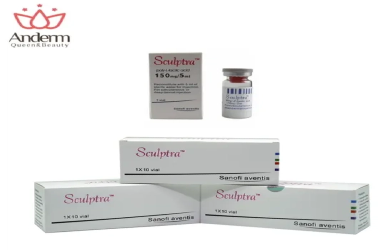
Sculptra and Botox are two of the most popular non-surgical treatments for signs of aging, but they work in different ways. Sculptra is designed to restore lost facial volume by stimulating collagen production, providing gradual and long-lasting results. It’s especially effective for addressing deep wrinkles and volume loss in areas like the cheeks and temples, helping to restore structure and create a fuller, more youthful appearance.
In contrast, Botox works by temporarily relaxing muscles that cause dynamic wrinkles such as frown lines, crow’s feet, and forehead lines. Botox offers immediate results, smoothing wrinkles and giving the face a refreshed look with minimal downtime.
Both treatments are effective, but the choice depends on your specific concerns. Sculptra is best for volume restoration and deeper wrinkles, while Botox is ideal for smoothing fine lines caused by muscle movement. In some cases, they can be used together for a more comprehensive approach.
What is Sculptra?
1.Sculptra’s Composition: Poly-L-Lactic Acid (PLLA)
Sculptra is a unique injectable treatment made from poly-L-lactic acid (PLLA), a biodegradable and biocompatible substance that has been safely used in medical applications for years, such as dissolvable sutures. PLLA works to stimulate the body’s natural collagen production, which is the key to restoring volume and improving skin texture. Unlike traditional fillers that add immediate volume, Sculptra’s results are gradual, with improvements that become more noticeable over time.
2.How Sculptra Stimulates Collagen Production
The primary mechanism of Sculptra is its ability to promote collagen synthesis. When injected into the skin, PLLA particles encourage the body to produce its own collagen, gradually rebuilding volume in areas that have lost firmness and elasticity due to aging. As collagen fibers develop, the skin becomes thicker, smoother, and more youthful-looking, enhancing overall skin texture and fullness. This collagen-building process continues even after treatment, which leads to long-lasting, natural-looking results.
3.Typical Treatment Areas and Benefits
Sculptra is most commonly used to treat areas where volume loss and sagging skin are more pronounced. Common treatment areas include:
Cheeks: Restores volume and lifts sagging cheeks for a youthful contour.
Temples: Fills hollow areas and enhances overall facial symmetry.
Jawline: Improves definition and reduces the appearance of jowls.
Nasolabial Folds: Softens deep lines that run from the nose to the mouth.
The key benefits of Sculptra include its ability to restore facial volume gradually, offering a natural and long-lasting result that can last up to 2 years. It is ideal for individuals who are looking for a subtle, natural way to reverse the effects of aging without drastic changes.
What is Botox?
1.Botox’s Composition: Botulinum Toxin
Botox is an injectable treatment that uses botulinum toxin, a purified protein derived from the Clostridium botulinum bacterium. This toxin is known for its ability to block nerve signals, and when used in small, controlled doses, it temporarily relaxes the muscles beneath the skin. Botox has been used safely for both medical and cosmetic purposes for many years, providing effective results in reducing the appearance of wrinkles.
2.How Botox Works by Relaxing Muscles
Botox works by temporarily blocking the release of acetylcholine, a neurotransmitter that triggers muscle contractions. When Botox is injected into specific facial muscles, it causes those muscles to relax, which smooths out dynamic wrinkles—those caused by muscle movement such as frown lines, crow’s feet, and forehead lines. This results in a more youthful, smooth appearance without altering facial expression, as Botox targets only the muscles responsible for causing wrinkles.
3.Common Treatment Areas and Results
Botox is most commonly used to treat dynamic wrinkles, which are formed from repeated facial expressions. The common treatment areas include:
Forehead Lines: Smooths horizontal lines across the forehead.
Frown Lines: Reduces the appearance of vertical lines between the eyebrows.
Crow’s Feet: Softens the fine lines around the outer corners of the eyes.
Bunny Lines: Smooths wrinkles on the nose.
The results of Botox are typically visible within a few days, with full effects seen in about 1-2 weeks. The effects last between 3 to 6 months, after which further treatments are needed to maintain the smooth, youthful appearance. Botox is ideal for those looking for quick, temporary wrinkle reduction without the need for surgery.
Key Differences Between Sculptra and Botox
1.Mechanism of Action
Sculptra stimulates the body’s collagen production over time, gradually improving facial volume and skin texture. By promoting the natural creation of collagen, Sculptra helps restore lost volume and address deeper wrinkles as the skin rebuilds itself.
In contrast, Botox works by temporarily relaxing facial muscles, preventing them from contracting and causing wrinkles. This relaxation smooths out dynamic wrinkles caused by muscle movement, such as frown lines and crow’s feet.
2.Treatment Results
Sculptra provides gradual, long-lasting results by rebuilding volume and improving skin structure. The effects become more apparent over time as collagen develops, leading to natural-looking, long-term facial rejuvenation.
Botox, on the other hand, offers immediate wrinkle smoothing by relaxing muscles, with results visible within a few days. The effect typically lasts 3-6 months, after which further treatments are required for maintenance.
3.Treatment Areas
Sculptra is most effective for treating volume loss and deep wrinkles, particularly in areas where the face has sagged or lost fullness, such as the cheeks, temples, and jawline.
Botox is ideal for treating fine lines caused by facial expressions, such as crow's feet around the eyes, forehead lines, and frown lines between the eyebrows.
4.Duration of Results
Sculptra can provide long-lasting results for up to 2 years, as it works gradually to restore volume and improve skin quality.
In contrast, Botox lasts for a shorter period, typically 3-6 months, requiring frequent touch-ups to maintain the smooth, youthful appearance.
Which One is Right for You?
1.Age and Skin Condition
Sculptra is typically recommended for individuals experiencing significant volume loss or deep wrinkles, which often occur with age. It’s particularly effective for those who have lost fullness in areas like the cheeks, temples, or jawline. Sculptra works well for individuals in their 30s or older who want to restore youthful volume and improve skin texture gradually over time.
Botox, on the other hand, is best suited for those with dynamic wrinkles, which are caused by repeated facial muscle movement. These include fine lines like crow’s feet, frown lines, and forehead wrinkles, often seen in people in their 20s or 30s. Botox is perfect for individuals looking to smooth these expression lines without altering facial volume.
2.Desired Results
If you are seeking long-term volume restoration and want a more gradual improvement, Sculptra may be the better option. It provides natural, lasting results by stimulating collagen production, offering a rejuvenated, fuller look over time.
For those who want quick, temporary wrinkle reduction with immediate results, Botox is ideal. It smooths out wrinkles caused by muscle movements in a non-invasive, fast procedure, but requires regular touch-ups to maintain the results. Choose Botox if you want a quick fix with minimal downtime.
FAQ
Q1: Can Sculptra be used in the same treatment as Botox?
Yes, Sculptra and Botox can be used together for a more comprehensive facial rejuvenation. Since they target different aspects of aging—Sculptra restores volume and stimulates collagen production, while Botox relaxes muscles to smooth out wrinkles—they complement each other well, providing a more balanced and natural-looking result.
Q2: How long do the results from Sculptra and Botox last?
Sculptra provides long-lasting results, typically up to 2 years, as it gradually stimulates collagen production over time. In contrast, Botox usually lasts between 3 to 6 months, requiring regular touch-ups to maintain the smooth, wrinkle-free appearance.
Q3: Is Sculptra painful?
Sculptra may cause mild discomfort during injections, but numbing agents are applied beforehand to minimize pain. Most patients experience only mild discomfort, which usually resolves within a short time after treatment. Some swelling or tenderness might occur but fades quickly.
Q4: Which is better for treating under-eye hollows, Sculptra or Botox?
Sculptra is generally more effective for treating under-eye hollows because it restores lost volume and stimulates collagen production, which helps fill in hollow areas. Botox, on the other hand, is more suitable for treating wrinkles caused by muscle movement, such as crow's feet, but is less effective for addressing volume loss in the under-eye area.
Conclusion
Both Sculptra and Botox offer effective solutions for facial rejuvenation, but they have distinct pros and cons depending on your needs. Sculptra is perfect for individuals looking for long-term volume restoration and gradual improvement, particularly for those with significant volume loss and deep wrinkles. Its collagen-boosting benefits provide natural, lasting results that can last up to 2 years. However, it requires multiple sessions and a longer recovery period. On the other hand, Botox is ideal for treating dynamic wrinkles caused by muscle movement, offering quick, temporary results with a single treatment. Botox works well for fine lines like crow’s feet and forehead lines, but its effects only last 3-6 months, requiring regular touch-ups.
Ultimately, the right choice depends on your specific goals, age, and skin condition. To ensure the best results tailored to your individual needs, it’s important to consult a professional who can help determine which treatment is best for you.