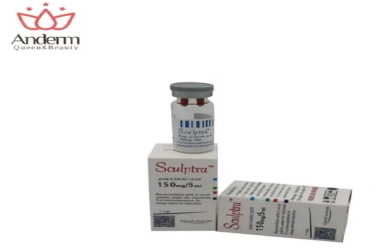
Sculptra and dermal fillers are both popular treatments in the world of cosmetic procedures, aimed at rejuvenating the skin and addressing signs of aging. While both options are designed to restore volume and smooth out wrinkles, they work in very different ways. Sculptra is a unique treatment that stimulates collagen production in the skin over time, offering long-lasting results that gradually improve the skin’s appearance. On the other hand, dermal fillers, such as those made from hyaluronic acid, work by physically filling in wrinkles and hollow areas, providing immediate results. In this article, we will explore the key differences between Sculptra and traditional dermal fillers, helping you understand which option might be best for your cosmetic goals.
What is Sculptra?
1.Sculptra’s Composition: Poly-L-Lactic Acid (PLLA)
Sculptra contains poly-L-lactic acid (PLLA) as its active ingredient. PLLA is a biodegradable and biocompatible substance that has been used in the medical field for many years, especially in dissolvable sutures. When injected into the skin, PLLA stimulates the body’s natural processes to promote collagen production, which helps to restore lost facial volume and improve skin texture.
2.How Sculptra Works: Stimulating Collagen Production
Sculptra’s unique mechanism of action sets it apart from traditional dermal fillers. Rather than just adding volume to the skin by filling in wrinkles and hollows, Sculptra stimulates the skin to produce its own collagen. Over a series of treatments, the injected PLLA particles gradually work to strengthen the skin’s structure, leading to smoother, fuller skin. This collagen boost continues to improve over time, offering long-lasting, natural results.
3.Purpose of Sculptra: Restoring Facial Contours and Fighting Signs of Aging
The primary goal of Sculptra is to address facial volume loss and the visible signs of aging, such as deep wrinkles, hollow cheeks, and sagging skin. By stimulating collagen production, Sculptra improves facial contours, creating a more youthful and revitalized appearance. Unlike traditional fillers, which provide immediate results, Sculptra offers a gradual transformation that looks natural and continues to improve over several months. It’s especially beneficial for individuals seeking subtle yet long-lasting enhancements.
What are Dermal Fillers?
1.Types of Dermal Fillers
Dermal fillers are injectables used to restore volume and smooth wrinkles. Common types include:
Hyaluronic Acid Fillers: Commonly used for wrinkles and lip enhancement (e.g., Juvederm, Restylane). They add moisture and plump the skin.
Calcium Hydroxylapatite Fillers: Used for deeper wrinkles and volume loss, like Radiesse.
Poly-L-lactic Acid Fillers: Stimulate collagen production, such as Sculptra.
Fat-based Fillers: Use the patient’s own fat for long-term volume restoration.
2.Mechanism of Action: Filling Wrinkles and Hollow Areas
Dermal fillers add volume to the skin, filling wrinkles and hollow areas. They provide immediate results by restoring facial volume, smoothing out fine lines, and enhancing contours. Unlike Sculptra, which boosts collagen production, traditional fillers offer instant improvements in the treated areas.
3.Areas Treated and Effects
Dermal fillers are used in various facial areas:
Nasolabial Folds: Softens smile lines.
Cheeks: Restores volume for a youthful look.
Under-eye Hollows: Reduces dark circles.
Lips: Enhances volume and shape.
Jawline and Chin: Defines and adds volume.
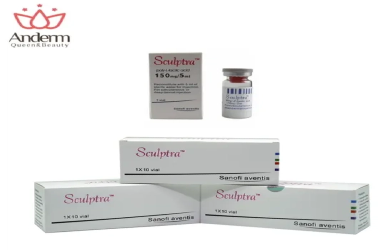
Key Differences Between Sculptra and Fillers
1. Different Mechanisms
Sculptra works by stimulating the body's natural collagen production over time. This gradual process helps restore volume to areas of the face that have lost elasticity due to aging. As collagen rebuilds, skin texture and facial volume improve, leading to long-lasting, natural-looking results.
In contrast, fillers work by directly injecting substances into the skin to fill in wrinkles, hollow areas, and depressions. These injectable gels provide immediate volume and smooth out the skin, offering instant results. Fillers do not stimulate collagen production but instead focus on providing temporary volume restoration.
2. Duration of Results
One of the major advantages of Sculptra is its longer-lasting effects. Typically, results can last up to 2 years, as the collagen stimulation continues to improve the skin’s appearance even after treatment. This makes Sculptra a preferred choice for people looking for a more durable solution to facial volume loss and aging.
On the other hand, fillers generally provide results that last 6 to 12 months, depending on the type of filler used and the area treated. The duration of the results may vary, with some fillers offering longer-lasting effects (such as for lip enhancement) and others providing more temporary improvements in fine lines and wrinkles.
3. Treatment Process and Frequency
Sculptra typically requires multiple treatment sessions spaced a few weeks apart to achieve optimal results. This is because the collagen-building process takes time, and the effects are gradual. Most patients will need around 2 to 3 sessions to see the full benefits. This process allows for natural-looking improvements over time, without the immediate changes associated with fillers.
Fillers, however, are typically administered in one session, with results visible immediately after the procedure. This makes fillers ideal for people looking for quick fixes or enhancements for a special occasion. Since the results are instant, they are perfect for those seeking a rapid cosmetic improvement.
4. Side Effects and Recovery Time
While Sculptra offers long-term benefits, it may require a longer recovery period due to its gradual approach. Patients might experience mild swelling, redness, or bruising at the injection sites, but these side effects typically subside after a few days. As the treatment works over time, there is less likelihood of significant or long-lasting side effects.
Fillers generally have a shorter recovery time, with many patients experiencing little to no downtime after treatment. However, temporary side effects like swelling, redness, or bruising may occur, especially in sensitive areas such as the lips or under-eye regions. These effects are usually short-lived and fade within a few days to a week. Fillers provide a more immediate solution, but the risk of side effects can be higher, especially if the procedure is done improperly.
Which is Better for You?
1.Choosing Between Sculptra and Traditional Dermal Fillers
The decision between Sculptra and traditional dermal fillers depends on several factors, including your age, skin condition, and desired outcomes.
Age and Skin Condition:
Sculptra is often recommended for individuals over 30 or those who experience significant volume loss, sagging, or deep wrinkles, as it stimulates collagen production over time for a more natural, youthful appearance.
Traditional dermal fillers are ideal for those looking for quick results with minor to moderate wrinkles, fine lines, or volume loss. They are suitable for younger patients who want to enhance their features or smooth wrinkles without long-term commitment.
Desired Results:
If you seek long-lasting results and are willing to commit to multiple sessions, Sculptra may be the best choice. It’s perfect for those who want gradual, natural improvements that last up to 2 years.
If you prefer immediate results with a single treatment session, dermal fillers are ideal, providing quick volume restoration and wrinkle reduction that lasts around 6-12 months.
2.Recommendations Based on Goals
For a Subtle, Gradual Transformation: If you are looking for long-term anti-aging benefits and don’t mind waiting a few months to see full results, Sculptra is the better option.
For Instant Enhancement: If you need immediate results for an event or want to see changes quickly, dermal fillers are the best choice. They are also suitable for targeted areas like lips or under-eye hollows.
Ultimately, the right choice depends on your aesthetic goals, lifestyle, and willingness to commit to the treatment process. Always consult with a qualified professional to determine the most suitable option for your unique needs.
FAQ
Q1: How long do the results of Sculptra last compared to dermal fillers?
Sculptra typically lasts up to 2 years, while dermal fillers last between 6 to 12 months, depending on the type.
Q2: Can Sculptra be used for all facial areas?
Yes, Sculptra can be used in various facial areas, particularly for restoring volume in the cheeks, temples, and jawline.
Q3: Is Sculptra more painful than dermal fillers?
Sculptra may involve more discomfort due to its gradual process, but the pain is usually minimal with numbing agents used during the treatment.
Q4: How many sessions of Sculptra are typically needed for optimal results?
Most people need 2 to 3 treatments, spaced about 4 to 6 weeks apart, for optimal results with Sculptra.
Conclusion
Both Sculptra and dermal fillers offer unique benefits depending on your cosmetic goals, but they also come with distinct pros and cons. Sculptra is ideal for those seeking long-lasting, natural-looking results, as it stimulates collagen production over time, providing gradual improvements in facial volume and skin texture. Its effects typically last up to 2 years, but it requires multiple sessions and a longer recovery period. On the other hand, dermal fillers provide immediate results by filling in wrinkles and hollow areas, making them perfect for those seeking quick fixes or targeted enhancements. However, the results are temporary, typically lasting 6 to 12 months, and the recovery time is usually shorter but may involve mild swelling or bruising.
Ultimately, the choice between Sculptra and dermal fillers depends on factors such as the desired duration of results, treatment preference, and the areas you want to treat. To determine the best option for your needs, it’s important to consult with a professional who can assess your individual skin condition and cosmetic goals, ensuring you receive the most appropriate treatment for a youthful, refreshed appearance.